I love milk. I mean, I REALLY love milk. First, I add it to my cereal every morning. Or, if my husband is making pancakes, I’ll put two glasses in the freezer to ensure that, once poured, the milk will chill to a glorious, perfect 38 degrees. I’ll also “freeze” my glass before having milk with a cookie or a piece of cake. That combo takes me to an Oz-like place.
Growing up, we had whole milk (maybe skim for mom) delivered to our house. They were in glass bottles and arrived in a milk crate. We placed the empty bottles back in the crate and the milkman picked them up while dropping off a new one. It could have been part of a movie reel of a simpler, wholesome “America in the 60s.” Sadly, the custom died. Times changed.
As I grew older, whole milk became more of a public health issue as it was fatty, and more stores carried 2% or skim milk. I slowly adjusted to 2%, but I hated skim which is only 0.2% milk-fat. Somewhere in there, they introduced 1% milk as an alternative to skim. I think I moved to 1% (kicking and screaming) about ten years ago. The process is that the dairy farms skim off the fat on the top and then add only 2% back in or 1% etc. I never knew this, but whole milk is only 3.5% milk-fat. I have to ask: is that really such a difference?
Milk is a good memory surrounding my mother as well. She REALLY loved milk too and always made sure she was well-stocked with it. I laugh to this day thinking about how she and I would shop at the grocery store (she was into her 80s) and she bought one or two quarts of 1%. I would often ask “are you sure you need more, mom?” and the answer was always “I’m low.”
We’d get home and I would open the refrigerator door to find two or three quarts already there. I loved her definition of “low.” Sometimes, she just forgot, but the point is she never wanted to risk the chance of running out. I understand, as I have inherited that same panic.
Interestingly, the entire “Got Milk?” campaign was based on that simple premise. The ad agency skipped the “it’s good for you” angle, instead focusing on reminding consumers they love milk so much, they’d panic if they ran out. They wanted to instill whether you’ve “got milk” in the fridge. They’re sure preaching to the choir here.

Why am I even talking about milk? Strangely, I am associating this story with a new scientific report regarding plastic water bottles. Researchers released it this month. The results show that nanoparticles of plastic are infiltrating the water in bottles and the plastic is going into our bodies.
According to the report on CNN.com, “One liter of water — the equivalent of two standard-size bottled waters — contained an average of 240,000 plastic particles from seven types of plastics, of which 90% were identified as nanoplastics and the rest were microplastics.”
This was tough to hear since I use plastic water bottles. Well, I use a large 33.8 fluid ounce plastic bottle and refill it for up to a week to honor my commitment to conservation. Packaged water is convenient and a good way to measure water intake.
And then I read: “People don’t think of plastics as shedding but they do. In almost the same way we’re constantly shedding skin cells, plastics are constantly shedding little bits that break off, such as when you open that plastic container for your store-bought salad or a cheese that’s wrapped in plastic.”
Shedding? Yikes, what a word choice. It was enough to send my mind reeling back to the years of using a glass from the cupboard and turning on the tap water and to milk in glass bottles. I lament the loss of better decisions. The siren of convenience has gone on to produce about a trillion nano and micro particles in my body. How did we let plastics take over?
In terms of milk packaging, glass was heavy and breakable and re-sanitizing was a hassle. This led to the birth of the waxy, paper milk carton. I liked milk cartons. They are still around and used for specialty milks (soy, oat etc.) and cream.
Plastics just bullied their way in. They were cheaper, tougher and had wonderful screw top lids. And space was an issue.
According to Saveur magazine, flavored iced teas and soft drinks crowded out the milk cartons in supermarket cases in the 1990s. Grocers could sell larger milk jugs which lasted longer than the cartons which meant they could stock less. Also, people just weren’t buying milk as much. Consumers ate out more and who orders milk with a meal? The perception was that milk stays at home with a home-cooked meatloaf. The Got Milk? Campaign made drinking milk cool again, and it worked for a while until the trend faded. But, don’t cry over the production of milk (spilled or otherwise.) Saveur shared that in a single month in 2022, Americans drank an eye-popping 383 million gallons.
And I remain one of the faithful, despite plastic-related concerns. I’m probably going to use a hybrid solution to my plastic intake. I can’t cut it out entirely, but in terms of water, I’ll use my metal bottle more than I do and drink from glasses when I can.
I’m also very locked into finding glass-bottled milk. It never occurred to me until I wrote this that I might miss milk coming from a glass container because… it’s already chilled? Is that a benefit I’ve unknowingly been trying to recreate with my chilled glasses all these years? And it’s healthier too? Holy cow!
Just three weeks ago, America celebrated National Milk Day. So, Happy belated NMD and I leave you with many positive, loving images and terms associated with milk.
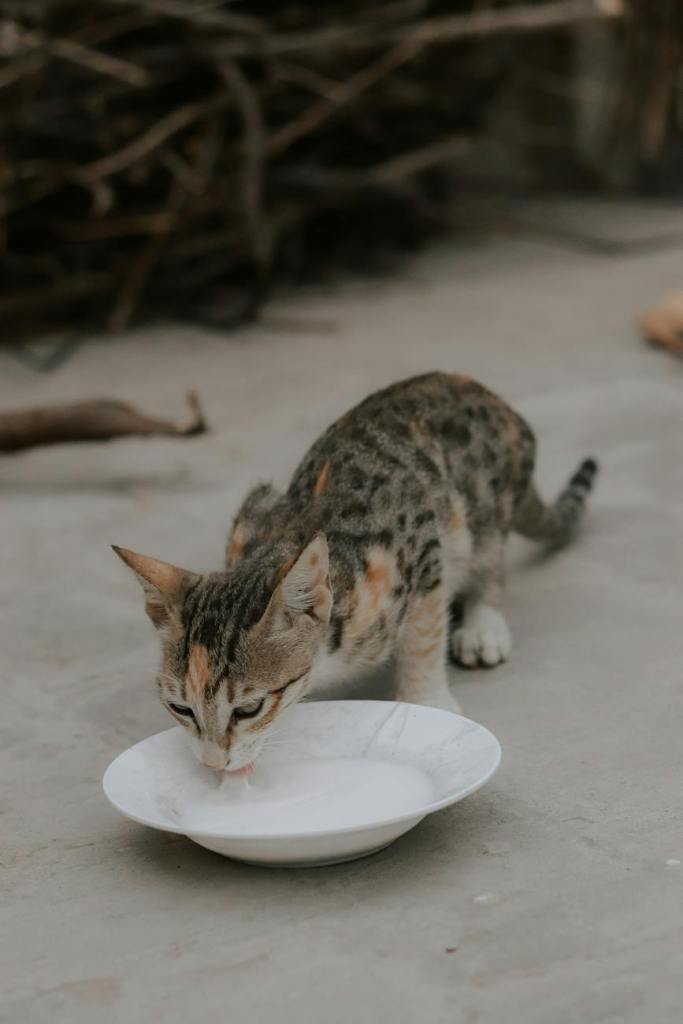
A cat lapping milk:
The milky-white rose
“In the Land of Milk and Honey”
A mother’s milk:

A “milky” complexion
The Milky Way:

Milkweed attracts butterflies :

Don’t cry over spilt milk (it’s going to be okay.)
If you give a mouse a cookie, he’s going to ask for a glass of milk.

Research: CNN.com, Saveur Magazine
Pexels Photo credits:
Cat: veeru edits
Baby Feeding: ALINA MATVEYCHEVA
Milky Way: Alex Andrews
Milkweed: Myenchanted.com


 Leavingthedooropen.com
Leave a reply to melaniemcgauran Cancel reply